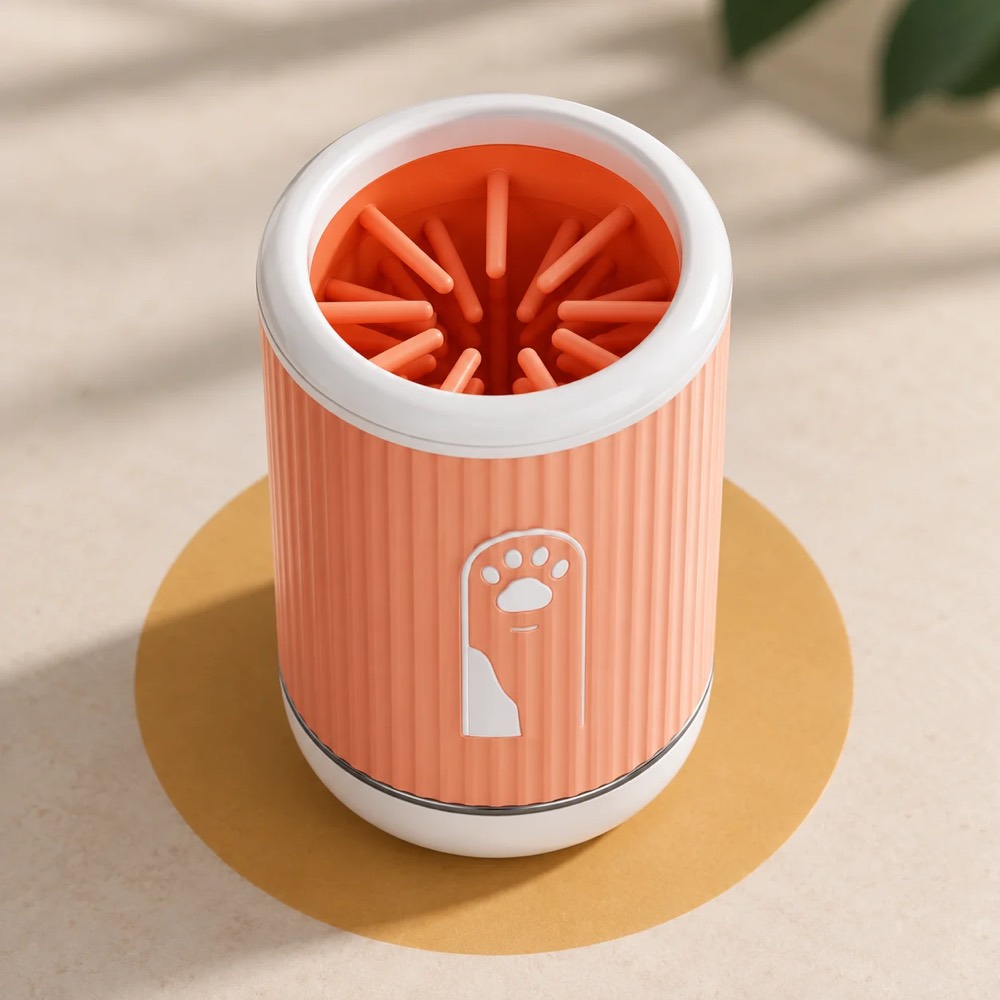
Waggira Paw Cleaner
From $16.99
Clean muddy paws quickly after walks.
View dog paw cleanerKeep your dog’s paws clean after every walk with simple paw care essentials designed for muddy, wet and everyday messes.
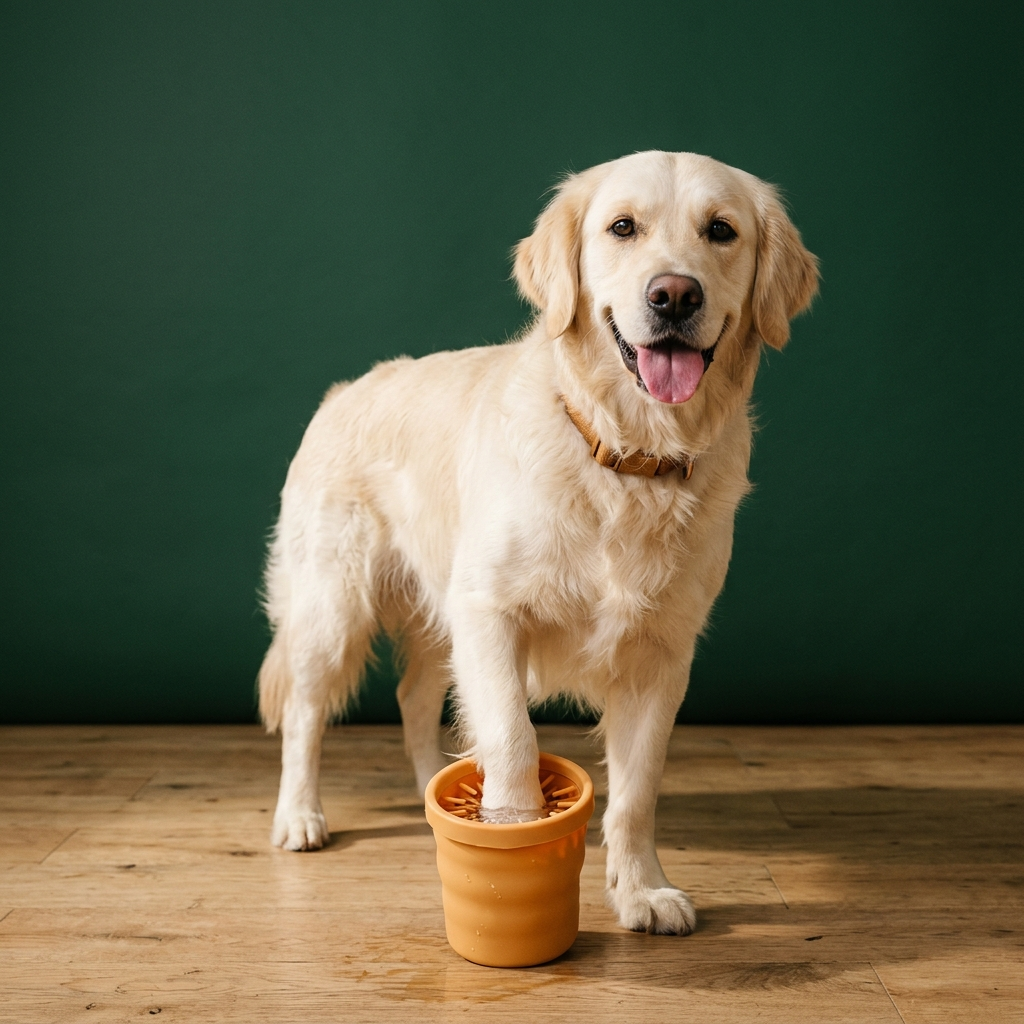
Four simple essentials that cover the whole routine — from the walk back home to dry paws on the doormat.
From $16.99
Clean muddy paws quickly after walks.
View dog paw cleaner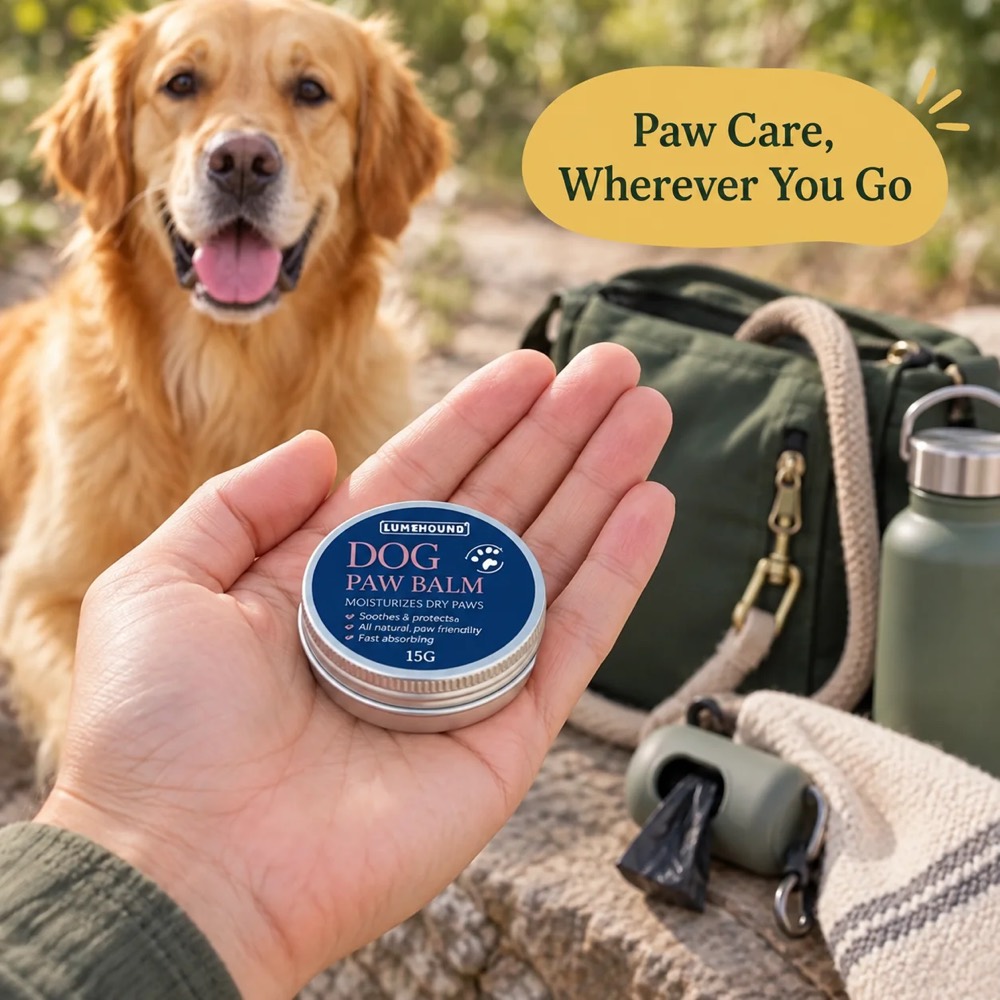
$12.99
A moisturizing balm for dry, cracked paw pads.
View dog paw balm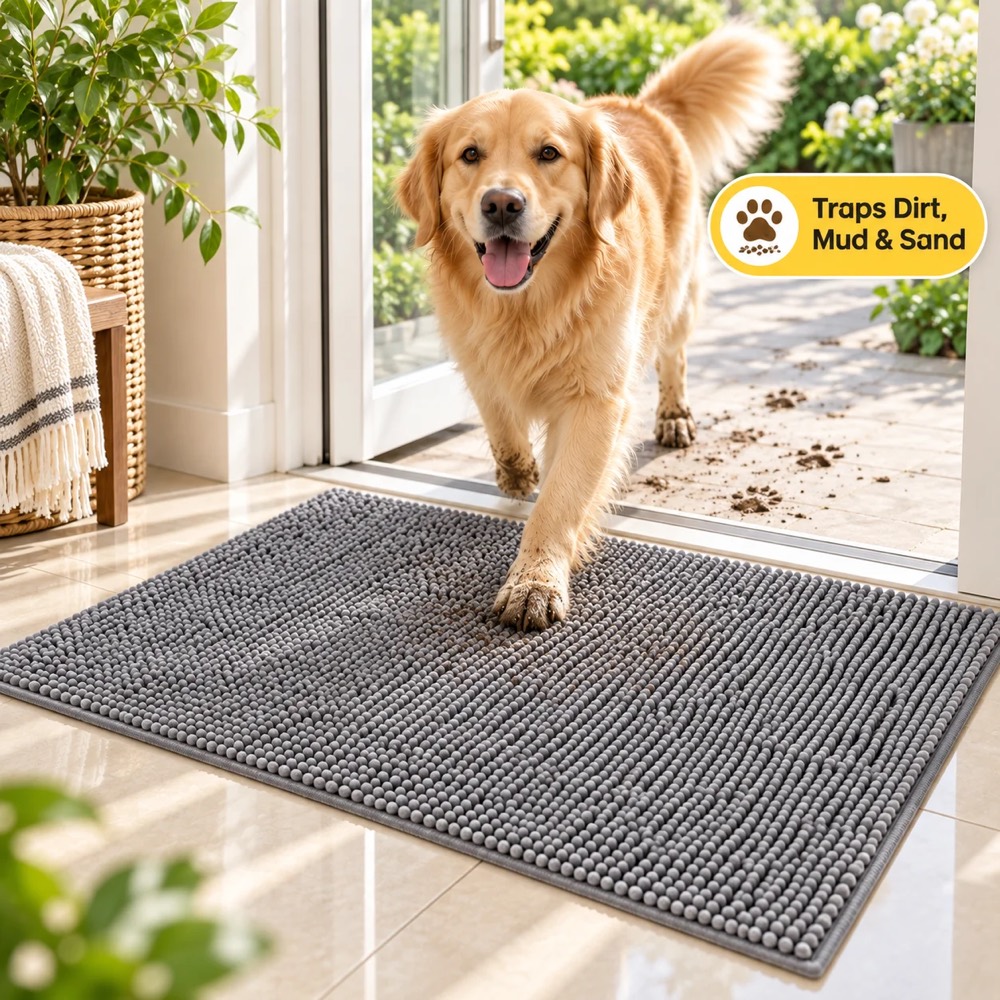
From $17.99
A mat by the door that catches mud and water before it reaches your floors.
View paw cleaning mat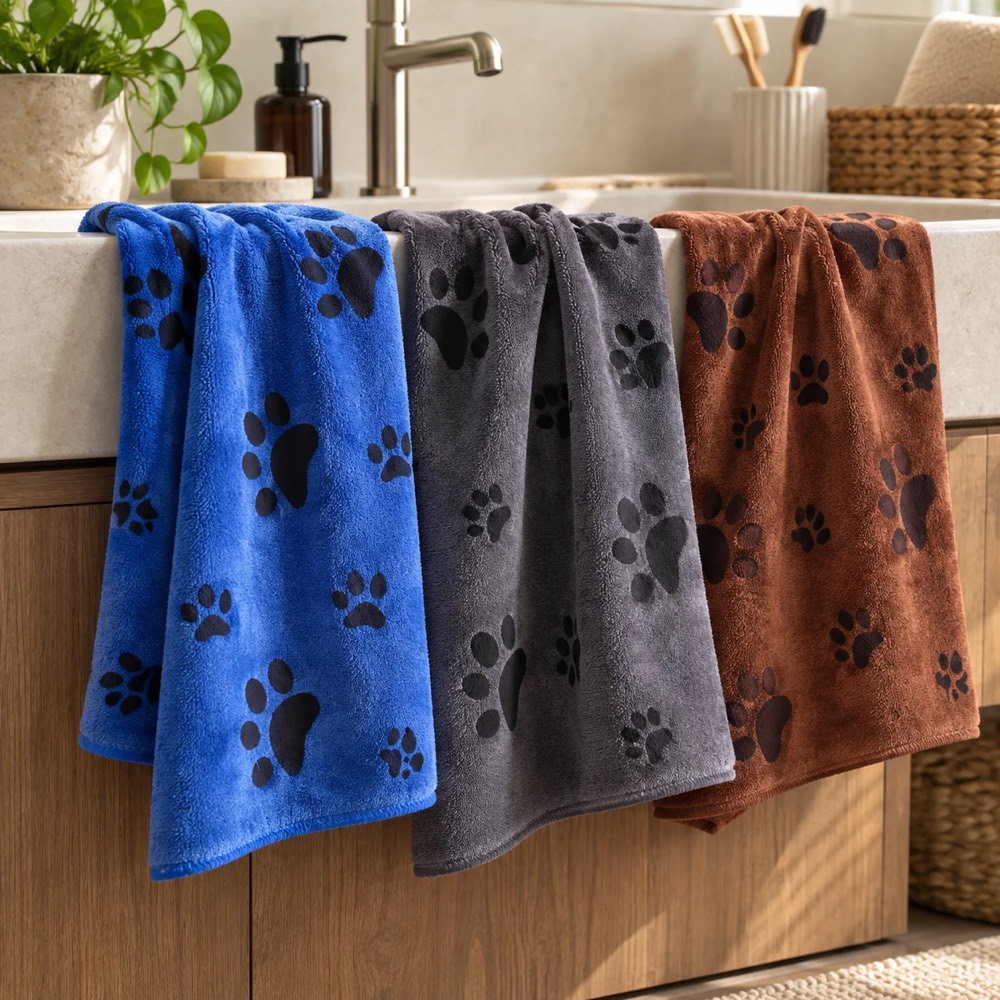
$16.99
A quick-dry towel for drying paws properly after a wet or freshly-cleaned walk.
View dog paw towelAfter a muddy walk, cleaning your dog’s paws doesn’t have to be a chore. Our dog paw cleaner helps remove dirt and mud before it gets tracked across your home.
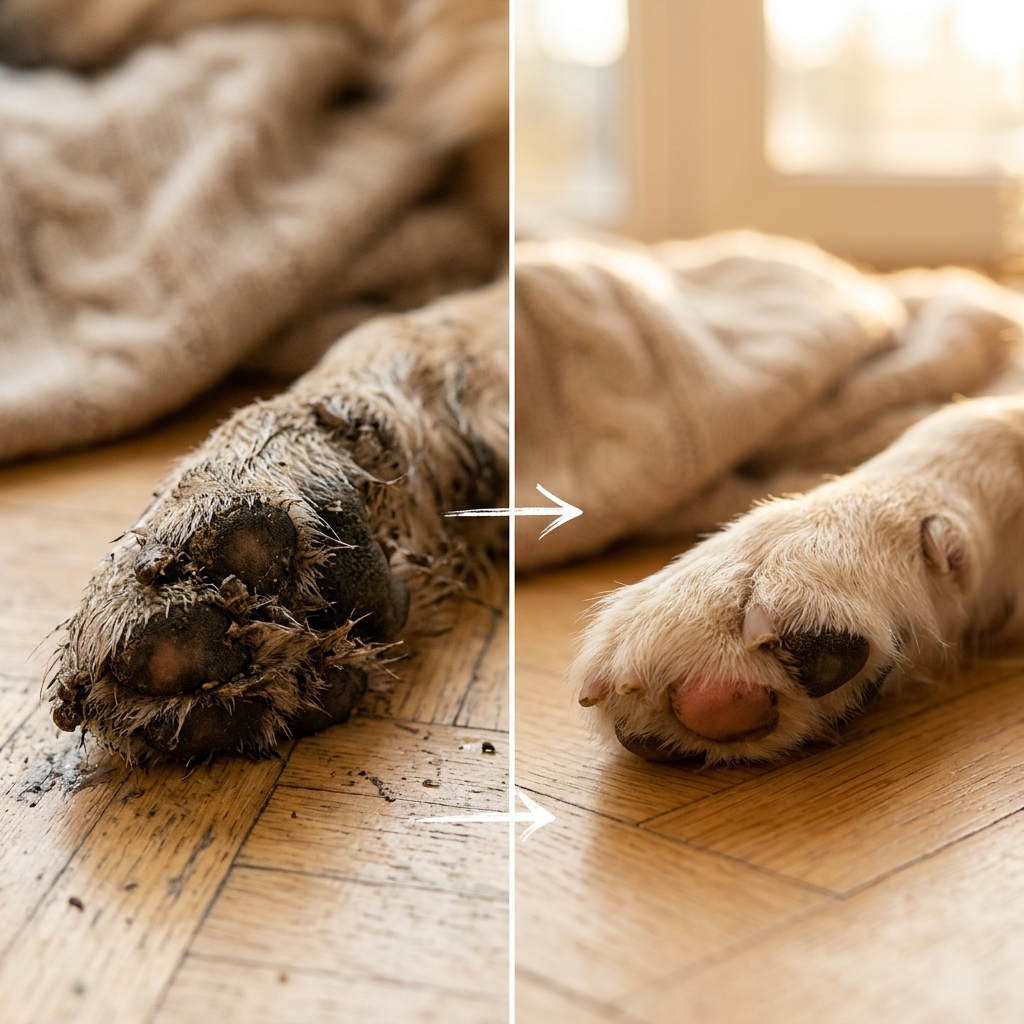
Remove mud and dirt before your dog comes inside.
Clean and dry wet paws with less mess.
Make paw cleaning part of your dog’s daily routine.
Cleaning your dog’s paws after a walk can help keep mud, dirt and outdoor messes out of your home. Learn how to clean your dog’s paws quickly and easily.
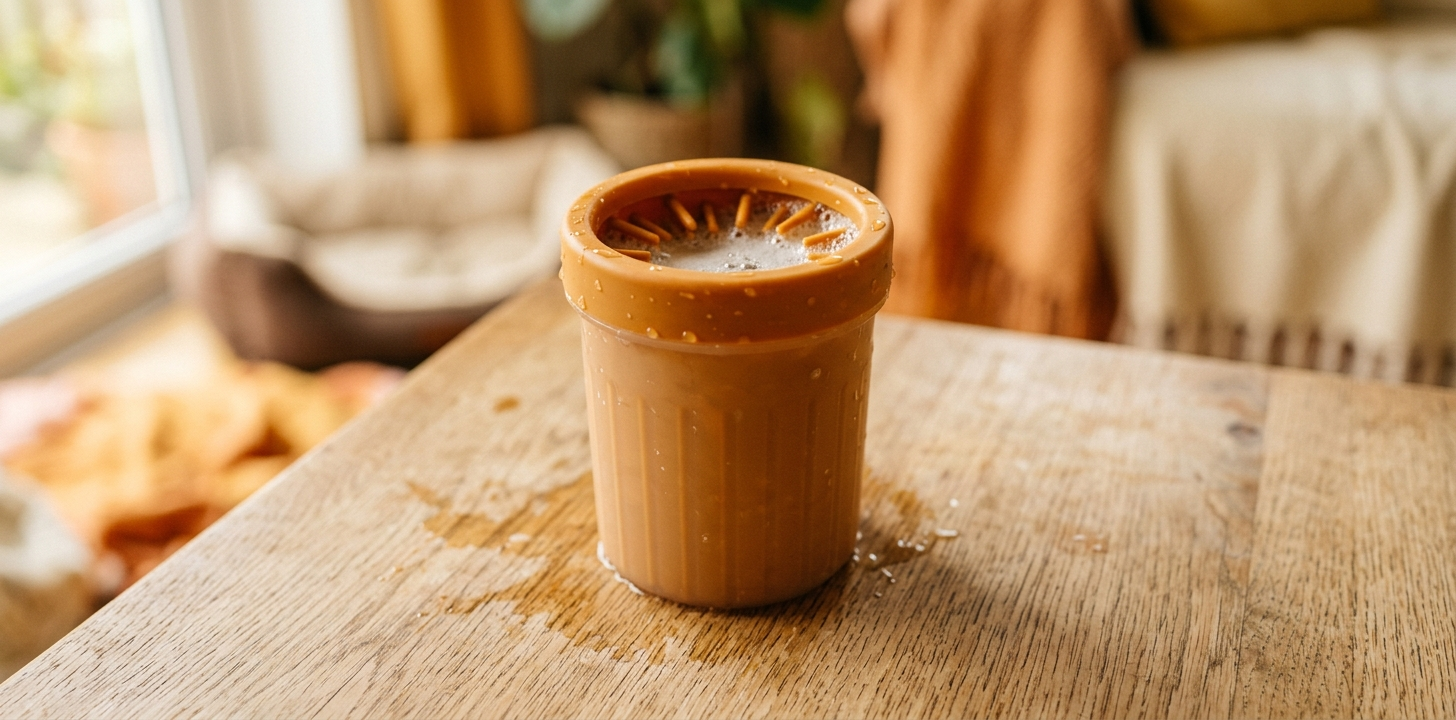
The simple step-by-step routine that works for most dogs, most days.
Read the guide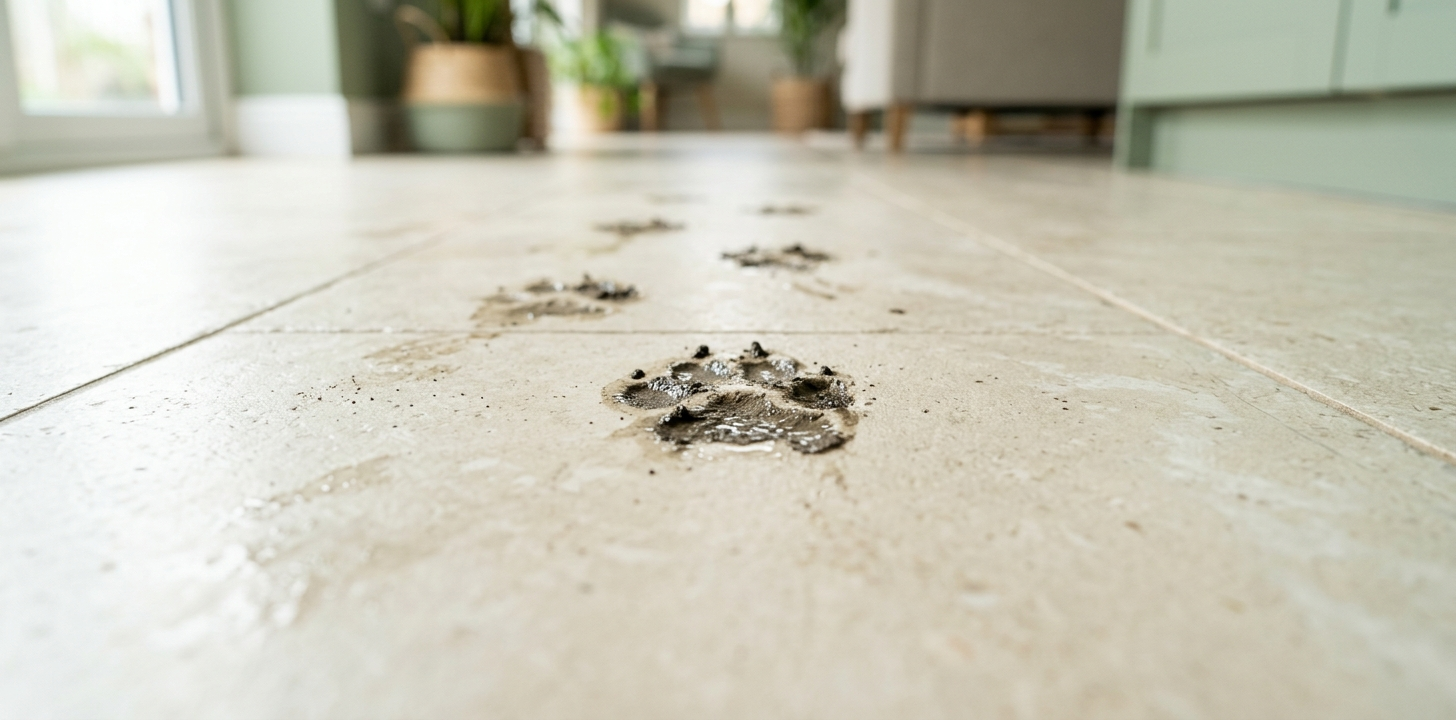
What to do when mud has dried on, caked up or worked between the toes.
Read the guide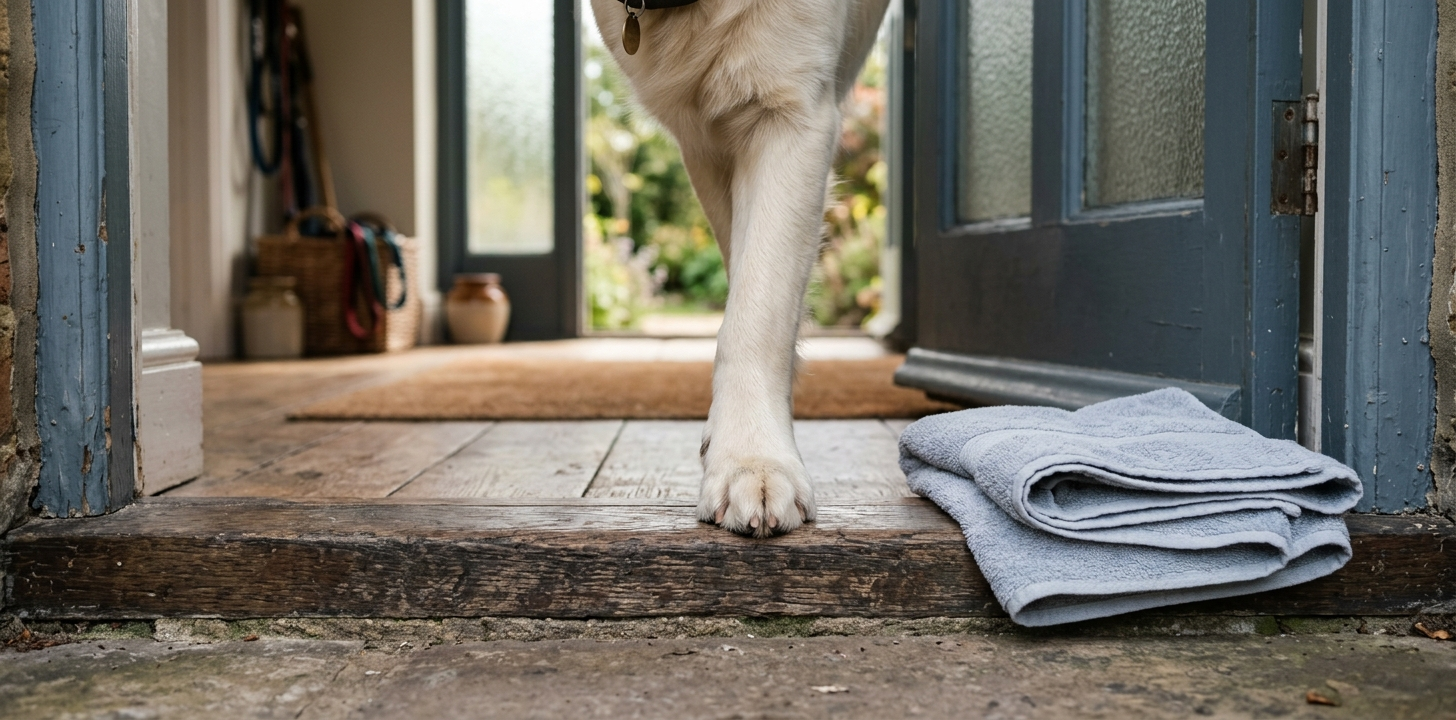
Build a door-side routine that takes under a minute per walk.
Read the guideOpening width, cup depth and bristle length decide whether a paw cleaner lives by your door or in a cupboard. Here is how to choose.
From muddy spring walks to wet winter streets, your dog’s paws need simple care throughout the year.
Dog Paw Care in WinterDesigned for quick paw cleaning after walks.
For mud, dirt, rain and outdoor mess.
Created with your dog’s comfort in mind.
Keep muddy paw prints off your floors.
The six questions we get asked most about cleaning dog paws — each one links to a longer guide if you want the detail.
See all FAQsA dog paw cleaner is a small cup or container with soft silicone bristles inside. You add a little water, place your dog’s paw inside and twist gently to loosen mud and dirt, then dry the paw with a towel. It is designed to make cleaning dog paws after a walk quicker and less messy than a full bath.
Read the dog paw cleaner guideStart at the door, before your dog walks through the house. Check between the toes and pads for dirt, grit or small stones, clean each paw with a paw cleaner or damp cloth, then dry thoroughly — especially between the toes, where moisture likes to sit.
How to clean dog paws after a walkYes — muddy paws are exactly what a paw cleaner is made for. For heavy mud, let the worst of it soften in water first, then twist the paw gently inside the cup so the bristles can reach between the pads. Change the water between paws when it gets too dirty.
How to clean muddy dog pawsLarger breeds need a wider opening and a deeper cup so the whole paw fits without squeezing. Look for a stable base you can hold with one hand and bristles long enough to reach around a big pad.
Dog paw cleaner for large dogsSmall breeds do better with a narrower cup. A smaller opening keeps the bristles in contact with the paw instead of letting it swim around, so you need less twisting and less water.
Dog paw cleaner for small dogsA quick check after every walk is the simplest routine. A full clean is worth it whenever your dog comes back muddy, wet or salty — and in winter, after walking on treated pavements.
Explore dog paw careClean paws start at the front door. Every walk brings a little of the outside back in — dust in summer, mud in spring, wet pavement in autumn, grit and salt in winter. Good dog paw care is really just the habit of dealing with all of that before it reaches your floors, and before it starts to bother your dog.
Cleaning dog paws doesn’t need to be a production. For most dogs, a bowl of water, a dog paw cleaner and a towel by the door is enough: dip, twist gently, dry between the toes, done. A paw cleaner handles the part that is hardest by hand — soft silicone bristles reach around the pad and between the toes, where dirt likes to hide, so paw cleaning takes seconds instead of minutes spent wrestling with a wet cloth.
Muddy paws and wet paws ask for slightly different things. Mud needs a moment to soften before it will lift, so let the water do some of the work first. Wet paws mostly need drying — moisture trapped between the toes is what causes irritation later, not the water itself. A paw care routine for the everyday sits between the two: a quick look, a quick clean, a quick dry after walks.
Size matters more than most people expect. A cup that suits a terrier will pinch a labrador, and a cup built for large dogs lets a small paw slide around without ever touching the bristles. Choosing for larger breeds or for small dogs comes down to opening width and cup depth — and it is the difference between a tool you keep by the door and one that ends up in a cupboard.
Winter paw care deserves its own routine. Cold pavements, road salt and de-icer are harder on paw pads than mud ever is, and the answer is the same each time: rinse, dry, then check the pads for cracks. Start with the routine, then pick the tools that make it easy to keep.
Start with the dog paw cleaner, or read the guide first — either way your floors will notice the difference.